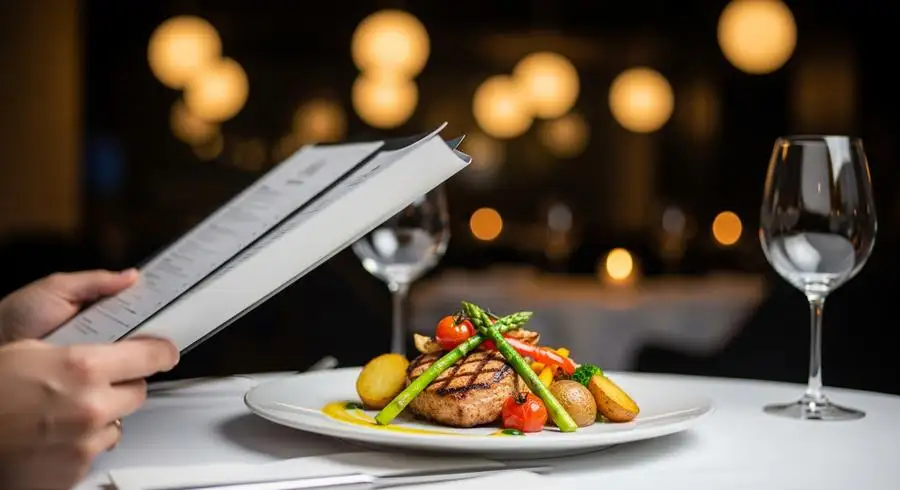
The 'Never Eat Out' Trap
Most diabetes advice treats restaurants like enemy territory. The result: social isolation, or binge-and-guilt cycles when you inevitably go. A better approach: learn the ordering rules that keep your glucose stable across any cuisine. You can eat out 3–4×/week without A1c damage if you follow these.
Rule 1: Scan the Menu Before You're Hungry
Decisions made when hungry are worse. Open the menu online before you leave. Mentally order before arriving. You're 70% more likely to stick to the plan if it's pre-decided.
Rule 2: Order Protein First, Always
Every menu has a protein: grilled chicken, paneer, dal, fish, tandoori. Order that first in your mental sequence. Build the meal around it, not around the carbs. This reverses the typical 'rice or roti?' starting point.
Rule 3: Double the Vegetables
If a dish comes with one vegetable, ask for a second. Grilled vegetables, side salad, sautéed greens. Most restaurants charge Rs. 80–150 for an extra veg — cheaper than a dessert and infinitely better for glucose.
Rule 4: Swap Refined Grains Systematically
- White rice → brown rice or quinoa (most Indian/Chinese restaurants have this option now)
- Naan → tandoori roti (whole wheat, same taste)
- White bread → multigrain
- Pasta → whole wheat or zucchini spirals
- Regular sushi rice → brown rice sushi
Rule 5: Skip the 'Free' Bread Basket
The chutneys, the papads, the naan brought before your meal while you wait — these are glucose landmines. Ask for them to be taken away or eat minimal while focusing on water.
Rule 6: Beware 'Healthy' Traps
- Fruit salad with honey drizzle — glucose bomb
- Fresh juice — GI often 65–75, worse than whole fruit
- Granola/muesli — often more sugar than dessert
- 'Light' dressings — thick with sugar to compensate for reduced fat
- Smoothies — often 400–600 calories and 50+ g sugar
- Brown bread — in most restaurants this is white bread dyed with caramel
Rule 7: Ask About Preparation
Three words change everything: "How is this prepared?" Grilled beats fried. Tandoori beats gravied. Steamed beats sautéed. Most server-staff are happy to share; most menus hide this.
Rule 8: Order 'Sauce on the Side'
Restaurant sauces are 30–50% sugar/cornstarch to achieve texture. Getting them on the side lets you use 25% instead of 100%. Applies to pad thai, chinese, italian pasta, BBQ, and more.
Rule 9: Portion Control Via the 'Share + Save' Rule
- Appetiser + share a main: two people, one appetiser each, share one main. Total: enough for both, without overeating.
- Half-and-half packaging: ask for half your entrée to be packaged before it arrives. You eat half; other half becomes next day's lunch.
- Tapas style: order 3 small dishes instead of one large. Half the calories, more variety.
Rule 10: The 20-Minute Rule
It takes 20 minutes for satiety signals to reach your brain. Eat slowly. Put the fork down between bites. Drink water. You'll finish less than if you raced through.
Rule 11: Dessert Strategy
Skipping dessert entirely makes you bingier later. Instead:
- Share one dessert with 2+ people (10g sugar instead of 40g)
- Choose fruit-based options: berries, poached pear, mango without ice cream
- Espresso or herbal tea to signal 'meal is over' without more sugar
- If you must indulge: do it after a glucose-controlled main course (vegetables + protein), not piled on top of pasta
Rule 12: The 10-Minute Walk Out
Instead of driving home immediately, walk 10 minutes before getting in the car. Post-meal walks work identically whether the meal was home or restaurant. Even a lap around the parking lot flattens the curve by 12–22%.
Cuisine-Specific Guides
Indian restaurant
Order: tandoori paneer + dal makhani + tandoori roti + kachumber salad
Skip: butter naan, butter chicken gravy with more ghee, sweet lassi, gulab jamun
Glucose math: ~520 cal, ~45g carbs, GI 50 composite
Chinese
Order: steamed dim sum + stir-fried tofu + brown rice
Skip: sweet-and-sour anything, fried rice, spring rolls, chow mein
Sauce: ask for oyster/garlic based instead of sweet-and-sour
Italian
Order: grilled fish or chicken + side salad + minestrone soup
Skip: pizza (white flour + cheese + tomato sugar), creamy pastas, garlic bread
Trick: spaghetti marinara is lower GI than penne or tortellini
American / Fast Casual
Order: grain bowl with chicken, avocado, beans, double vegetables, no rice
Skip: burger buns, fries, milkshakes
Chipotle formula: double chicken, black beans, guac, salsa, no rice, lettuce base
Japanese
Order: sashimi + miso soup + edamame + seaweed salad
Skip: tempura, sushi with rice-heavy rolls, teriyaki glaze
Better sushi: brown rice rolls or hand rolls (less rice)
South Indian
Order: masala dosa with extra sambar + coconut chutney + filter coffee unsweetened
Skip: medu vada (deep-fried), sweet pongal, multiple dosas
Tip: ask for ragi dosa or adai (lower GI) if available
The Alcohol Rules
- 1 drink max, ideally with food
- Dry wine beats beer beats cocktails
- Skip the "one more" at the end — late drinks tank overnight glucose
- Diabetics on sulfonylureas: extreme caution, dangerous hypo risk
The Shortcut
Point your phone at the plate with the JForH Meal Scanner. 3 seconds: calories, carbs, protein, estimated GI, and a traffic-light rating for diabetics. Works at restaurants. Trained on 200K+ dishes from 26 cuisines. Makes the 'is this okay?' question answerable in real time. Free first scan.
Bottom Line
You don't need to eat less often. You need to order more strategically. These 12 rules preserve your social life and your glucose. Most diabetics in good control eat out regularly — they just order differently than they used to.