GLP-1 Medications: What They Actually Do, and Why the Care Around Them Matters
Treatment · 4 · August 7, 2026
What GLP-1 drugs actually are
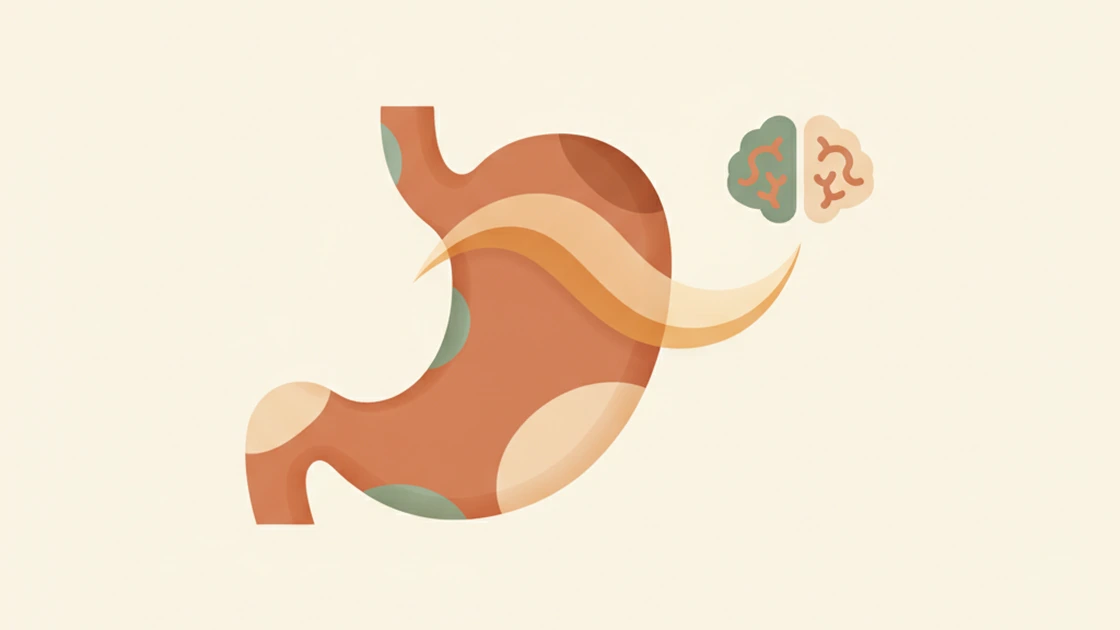
GLP-1 receptor agonists — medicines including semaglutide (Ozempic, Wegovy) and the dual GLP-1/GIP agonist tirzepatide (Mounjaro, Zepbound) — mimic a natural gut hormone your body releases after eating. That hormone, glucagon-like peptide-1, does several useful things: it prompts insulin release when glucose is high, slows how fast the stomach empties, and signals fullness to the brain. The practical result is lower blood sugar and reduced appetite.
The evidence is strong and recent. The STEP trials for semaglutide (e.g. Wilding et al., New England Journal of Medicine, 2021) and the SURMOUNT trials for tirzepatide (Jastreboff et al., NEJM, 2022) both showed substantial, clinically meaningful weight loss versus placebo, alongside improved glucose control. For type 2 diabetes and obesity, these are among the most effective medications ever studied. That is not hype — it is a genuine shift in what medicine can offer.
The caveats an honest programme tells you up front
Powerful is not the same as simple. GLP-1 medicines come with real considerations that a "just ship the pen" service tends to gloss over:
- Gastrointestinal side effects — nausea, vomiting, constipation — are common, especially as the dose increases. Careful titration and diet adjustments manage most of them, which is exactly what unsupervised use skips.
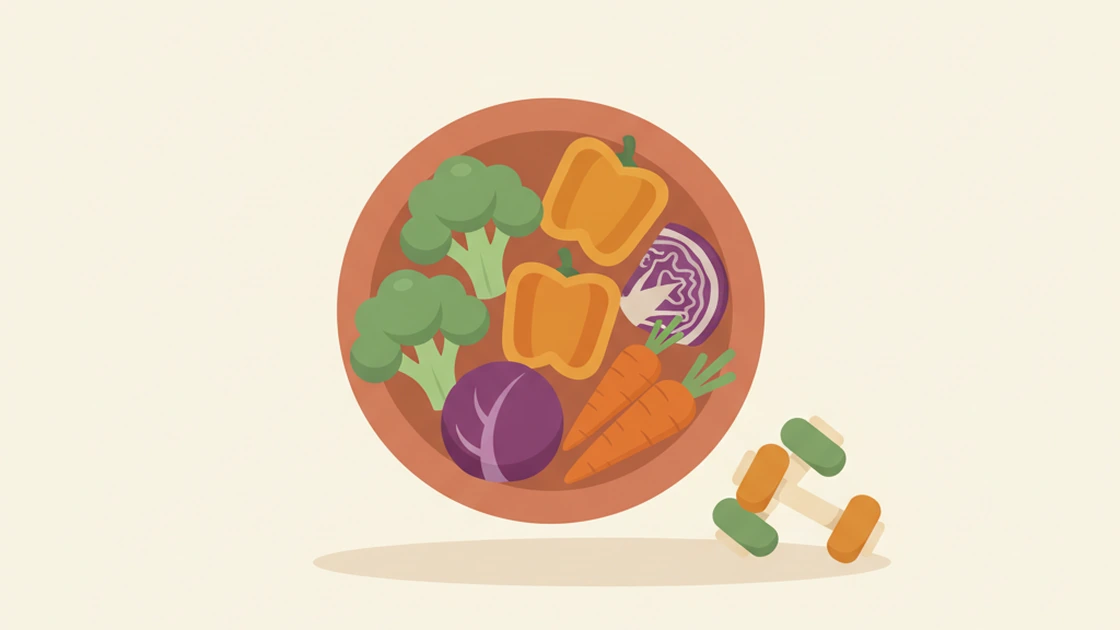
- Muscle loss. Rapid weight loss from any cause includes lean muscle, not just fat. Research on GLP-1 weight loss has flagged that a meaningful fraction of the loss can be lean mass — so protein intake and resistance exercise genuinely matter alongside the drug.
- It is not necessarily forever, and stopping matters. The STEP-1 extension (Rubino et al., JAMA, 2022) found that people who stopped semaglutide regained much of the lost weight over the following year. That reframes the drug as one tool within ongoing care, not a one-time fix.
- Contraindications and monitoring — these medicines are not appropriate for everyone, which is why a prescriber should assess you.
Why the care around the drug changes the outcome
This is the whole argument for a programme rather than a pill in the post. The medication does the pharmacological work; the care wrapped around it decides whether the result is durable and safe:
- A prescriber who assesses suitability, titrates the dose, and manages side effects instead of leaving you to guess.
- CGM support so you can see how your glucose actually responds, not just watch the scale.
- Nutrition and muscle-preservation coaching — enough protein and resistance training to protect lean mass while you lose fat.
- A plan for what happens next, since stopping abruptly tends to undo the gains.
Our GLP-1 care pathway is built around exactly this: medication prescribed and delivered, but inside supervised, measured, coached care — the parts that a mail-order pen leaves out and that the trial evidence says actually matter.
Is a GLP-1 right for you? The honest framing
GLP-1 medicines can be transformative for the right person, and oversold to the wrong one. They are generally considered for people with type 2 diabetes or obesity for whom the benefits outweigh the risks — a judgement a clinician makes with you, not a checkout page. They are a tool that works best with nutrition, movement, and measurement, not instead of them.
If you are considering one, the useful questions are not "how fast can I get it" but "who is supervising this, how are side effects and muscle loss handled, and what is the plan beyond the first few months." A good programme has answers to all three.
Related reading: supervised GLP-1 care · supervised vs mail-order GLP-1 · Can you reverse type 2 diabetes? · the diabetic diet, rebuilt around your body.
This article is for general education. It does not replace medical advice, diagnosis, or treatment from a qualified healthcare professional. Type 2 diabetes remission is possible for some people but is not guaranteed and is not a cure; never start, stop, or change medication — especially insulin or other glucose-lowering drugs — without your doctor.