Can You Reverse Type 2 Diabetes? What the Science Actually Says About Remission
Reversal · 4 · August 7, 2026
"Reversal" is a marketing word. "Remission" is the medical one
Search "reverse type 2 diabetes" and you will find everything from careful clinical programmes to outright cures sold in a bottle. It helps to start with the word itself. Clinicians generally avoid "reversal" and "cure" because type 2 diabetes can come back. The term the field agreed on is remission. A 2021 consensus statement from the American Diabetes Association, EASD and other bodies (Riddle et al., Diabetes Care, 2021) defined remission as an HbA1c below 6.5% measured at least three months after stopping glucose-lowering medication. HbA1c is a blood test reflecting your average blood sugar over roughly the previous 2–3 months.
That definition matters because it sets an honest bar: remission is a sustained, measured state after coming off medication — not a good week, not a single fasting reading, and not something an app can declare for you. It is also explicitly reversible; remission can be lost, which is why it is monitored rather than celebrated once and forgotten.

The evidence it is possible: the DiRECT trial
The strongest evidence that type 2 diabetes remission is achievable comes from the DiRECT trial (Lean et al., The Lancet, 2018), a randomised study run in UK primary care. Participants who followed a structured weight-management programme achieved diabetes remission at rates far higher than usual care, and — importantly — remission tracked closely with how much weight people lost and kept off. Follow-up reported that a meaningful share of those who lost substantial weight were still in remission two years later.
Two honest lessons come out of DiRECT. First, remission is real and reproducible, not wishful thinking. Second, it is strongly tied to weight loss, works best earlier after diagnosis, and is not universal — plenty of committed people do not reach the formal remission threshold, and that is not a personal failure. Any programme that promises remission to everyone is overselling the science.
How a CGM-guided programme reads your trajectory
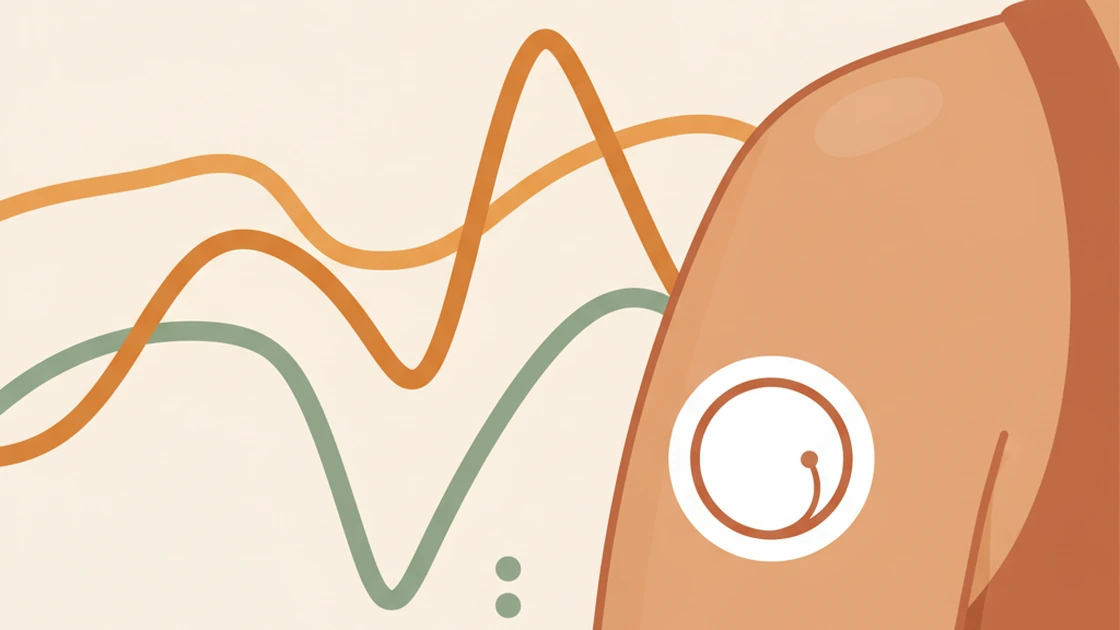
Where a modern programme adds value is not a secret diet — it is measurement. A continuous glucose monitor (CGM), a small sensor worn on the arm, shows how your blood sugar actually behaves across the day rather than at a single clinic visit. That turns vague advice into a feedback loop: you can see that a particular breakfast keeps you in range while another spikes you, and adjust from real data about your body.
Our platform layers a metric we call a Reversal Velocity score on top of that data — an estimate of the pace at which your metabolic markers are trending. We label this honestly as a modeled signal: it is a composite built from real clinical inputs (HbA1c trajectory, Time-in-Range, glucose variability), useful for seeing direction and momentum, but it is not an independently validated medical measure and never a diagnosis. When your own measured labs and the model disagree, the labs win. That is the same evidence-tier honesty we apply everywhere: established signals, emerging ones, and modeled ones are shown as what they are.
Who it tends to help — and the honest caveats
Across the research, remission is most achievable for people who are earlier in the disease (often within the first several years of diagnosis), who can achieve and sustain meaningful weight loss, and who still have enough of their own insulin-producing capacity. It is less likely for those who have lived with diabetes for many years or who use insulin — though better glucose control and lower medication burden are still worthwhile goals for almost everyone.
So the honest promise is not "we will reverse your diabetes." It is: a structured, clinician-supervised, CGM-guided programme gives you the measurement, the coaching, and the honest read on your own trajectory to give remission its best realistic chance — and to make progress visible even when full remission is not on the table.
Related reading: the reversal programme · the diabetic diet, rebuilt around your body · an evidence-based diabetes programme · GLP-1 care beyond the prescription.

This article is for general education. It does not replace medical advice, diagnosis, or treatment from a qualified healthcare professional. Type 2 diabetes remission is possible for some people but is not guaranteed and is not a cure; never start, stop, or change medication — especially insulin or other glucose-lowering drugs — without your doctor.